Optometry 360
  • Home
  • Conferences
  • Videos
  • About Us
    • About Us – Mission
    • Media Partners
    • Advisory Board
    • Industry Council
    • Business Team

What are you looking for?

  • Conference Roundup
  • Contact Lenses
  • Diagnostics
  • Glaucoma
  • Myopia
  • Neurotrophic Keratitis
  • Ocular Surface Disease
  • Pediatrics
  • Practice Management
  • Presbyopia
  • Retina
  • Spotlight Series
Navigating Presbyopia Conversations with Patients in Practice
Optometry 360
  • Home
  • Conferences
  • Videos
  • About Us
    • About Us – Mission
    • Media Partners
    • Advisory Board
    • Industry Council
    • Business Team
Home > Study reveals gap in optometrists’ approach to managing dry eye disease
  • Ocular Surface Disease

Study reveals gap in optometrists’ approach to managing dry eye disease

Ophthalmology 360

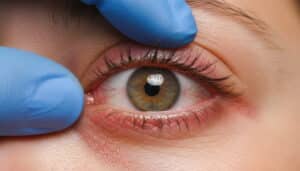
Although optometrists are aware of the significant impact of dry eye disease on their patients’ daily lives, they often fail to incorporate this understanding into their patient management strategies, according to a study that highlights the need for a more patient-centered approach to managing dry eye disease, which involves not only treating the physical symptoms but also addressing the broader impact on patients’ well-being.

Conducted in the Netherlands, the study employed 12 online interviews with optometrists specializing in second-line eye care. Through a convenience sample, researchers explored optometrists’ awareness of the negative impact of dry eye disease on patients’ lives and their management approaches during consultations.

The findings revealed a trend: few optometrists actively inquired about patients’ perceived burden, and many did not discuss all available treatment options or offer practical advice that could alleviate symptoms. Furthermore, a significant portion of optometrists seemed unaware of potential assistance from other healthcare providers beyond their own scope.

While Dutch optometrists acknowledged the impact of dry eye disease on their patients’ lives, the study suggests a discrepancy between this awareness and its integration into their management plans.

Reference
Mathan ZMJ, van Tilborg MMA. Optometrists need to incorporate their understanding of the impact of dry eye disease in their patient management. Optom Vis Sci. 2024 Jan;101(1):55-61. doi: 10.1097/OPX.0000000000002077. PMID: 38350058.

Share

Related Content

  • Ocular Surface Disease

Smartphone reminders improve short-term artificial tear adherence in dry eye disease

  • Ocular Surface Disease

Childhood-onset allergic eye disease linked to greater ocular morbidity

  • Ocular Surface Disease

Perceived stress may precede worsening dry eye symptoms in young adults

  • Ocular Surface Disease

Post-menopausal women show more severe evaporative dry eye disease

  • Ocular Surface Disease

Dry eye diagnostic practices remain inconsistent worldwide, survey finds

  • Ocular Surface Disease

Spotlight on VEVYE®

Share

Advisory Board

Kaleb Abbott, OD, MS, FAAO

Clark Chang, OD

Jessica Haynes, OD, FAAO, FORS, Dipl ABO

Monica Kalia, OD

Cecelia Koetting, OD, FAAO, DipABO

Roya Attar, OD, MBA, DHA, FAAO

Hardeep Kataria, OD, FAAO

Marc R. Bloomenstein, OD, FAAO

Elise Kramer, OD

See All
Optometry 360

Optometry 360® is a dynamic digital platform dedicated to advancing the field of eye care.

Get to Know Us

  • Home
  • About Us
  • Media Partners
  • Advertising Policy
  • Our Advisory Board

Sign up for our Newsletter

Sign up for our Newsletter to get our newest articles instantly!

  • Privacy Policy
  • Advertising Policy
  • Medical Disclaimer
IHM Logo

© 2026 Optometry 360 is a trademark of International Healthcare Media, LLC. All rights Reserved

  • MedJournal360 Icon
  • RareDisease360 Icon
  • MyHero360 Icon
  • Optometry360 Icon
  • Ophthalmology360 Icon