Optometry 360
  • Home
  • Conferences
  • Videos
  • About Us
    • About Us – Mission
    • Media Partners
    • Advisory Board
    • Industry Council
    • Business Team

What are you looking for?

  • Conference Roundup
  • Contact Lenses
  • Diagnostics
  • Glaucoma
  • Myopia
  • Neurotrophic Keratitis
  • Ocular Surface Disease
  • Pediatrics
  • Practice Management
  • Presbyopia
  • Retina
  • Spotlight Series
The evolving role of the optometrist in nonsurgical cataract management
Optometry 360
  • Home
  • Conferences
  • Videos
  • About Us
    • About Us – Mission
    • Media Partners
    • Advisory Board
    • Industry Council
    • Business Team
Home > Tear biomarkers may help predict response to low-level light therapy after cataract surgery
  • Diagnostics

Tear biomarkers may help predict response to low-level light therapy after cataract surgery

Kelsey Moroz

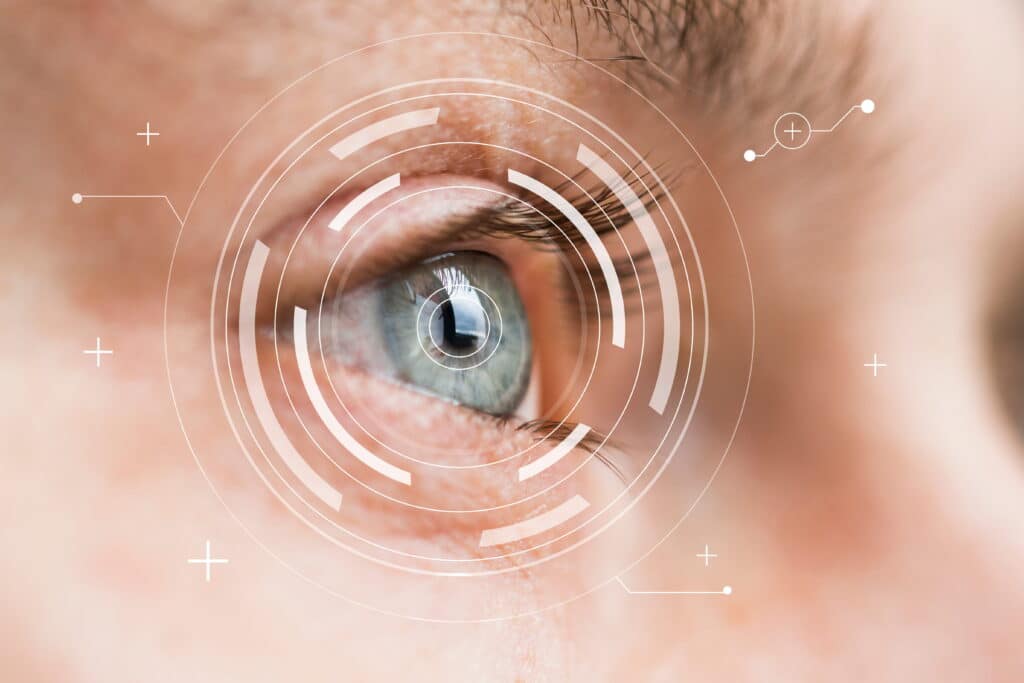
Low-level light therapy (LLLT) improved ocular surface recovery after cataract surgery in patients with dry eye disease (DED), according to a study.

Among 98 randomized patients, 88 were included in the final analysis, with 44 assigned to LLLT and 44 to sham treatment. Those treated with LLLT showed significantly greater improvement than sham-treated controls (44.2% vs 4.4%; P < 0.0001). In patients with DED, LLLT significantly increased levels of GDF-15 and PDGF-CC, while β-NGF increases were greater in patients with preclinical disease.

Biomarker findings suggested reduced inflammation following LLLT, whereas sham-treated eyes showed persistent inflammation. Researchers also reported strong predictive performance from models integrating clinical and molecular data.

Reference
Timofte-Zorila MM, Pavel-Tanasa M, Giannaccare G, et al. Tear biomarker changes and ocular surface recovery with low-level light therapy after cataract surgery: a double-masked randomized controlled clinical trial. Sci Rep. 2026;doi: 10.1038/s41598-026-53521-4. Epub ahead of print. PMID: 42162158.

Share

Related Content

  • Ocular Surface Disease

Smartphone reminders improve short-term artificial tear adherence in dry eye disease

  • Ocular Surface Disease

Childhood-onset allergic eye disease linked to greater ocular morbidity

  • Ocular Surface Disease

Perceived stress may precede worsening dry eye symptoms in young adults

  • Ocular Surface Disease

Post-menopausal women show more severe evaporative dry eye disease

  • Ocular Surface Disease

Dry eye diagnostic practices remain inconsistent worldwide, survey finds

  • Ocular Surface Disease

Spotlight on VEVYE®

Share

Advisory Board

Kaleb Abbott, OD, MS, FAAO

Clark Chang, OD

Jessica Haynes, OD, FAAO, FORS, Dipl ABO

Monica Kalia, OD

Cecelia Koetting, OD, FAAO, DipABO

Roya Attar, OD, MBA, DHA, FAAO

Hardeep Kataria, OD, FAAO

Marc R. Bloomenstein, OD, FAAO

Elise Kramer, OD

See All
Optometry 360

Optometry 360® is a dynamic digital platform dedicated to advancing the field of eye care.

Get to Know Us

  • Home
  • About Us
  • Media Partners
  • Advertising Policy
  • Our Advisory Board

Sign up for our Newsletter

Sign up for our Newsletter to get our newest articles instantly!

  • Privacy Policy
  • Advertising Policy
  • Medical Disclaimer
IHM Logo

© 2026 Optometry 360 is a trademark of International Healthcare Media, LLC. All rights Reserved

  • MedJournal360 Icon
  • RareDisease360 Icon
  • MyHero360 Icon
  • Optometry360 Icon
  • Ophthalmology360 Icon