Key Takeaways
- Dry eye diagnostic testing varied widely among eye care practitioners worldwide, with little overall change over 5 years.
- Use of validated symptom questionnaires and non-invasive tear film stability testing increased between survey periods.
- No single test was widely adopted for dry eye subtype classification, reflecting limited consensus in clinical practice.
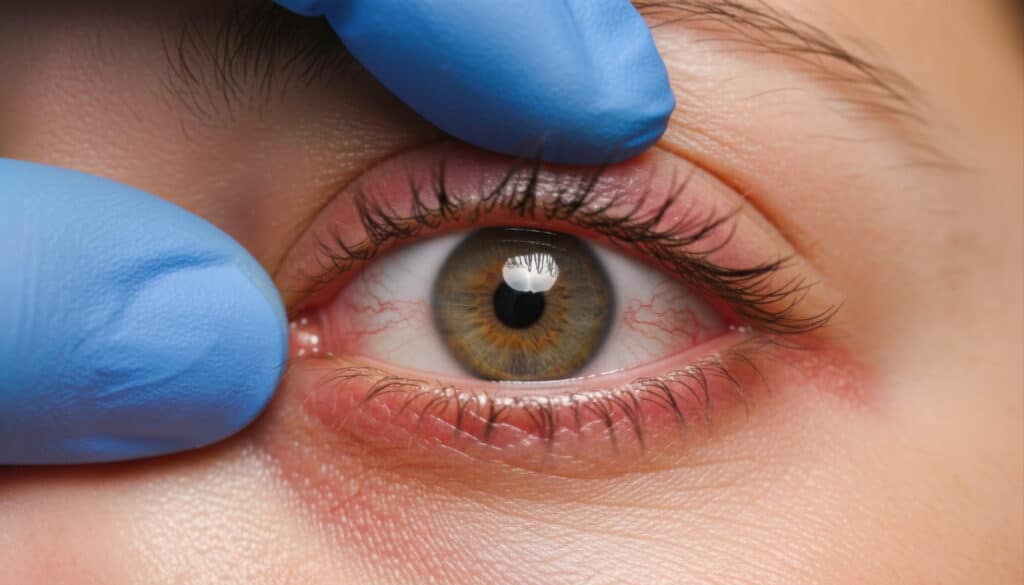
Substantial variation remains in the clinical tests used to diagnose and classify dry eye disease, according to a global survey of eye care practitioners.
The anonymous online survey collected 2,044 responses from practitioners in 54 countries from 2018-2019 and 2023-2024. Respondents identified a median of 7 tests as critical for diagnosing dry eye disease, with verbal symptom assessment, fluorescein breakup time, and corneal staining consistently ranking among the most cited tests at both survey time points.
Between the 2 surveys, use of validated symptom questionnaires increased from 37% to 42%, while use of non-invasive tear film stability testing rose from 44% to 50%. However, fewer than half of respondents considered either test to be critical for diagnosis in either survey period.
No individual clinical test was used by more than 40% of respondents for subtype classification, although lipid layer interferometry and meibography were used more frequently in 2023-2024 than in 2018-2019.
Reference
Wang MTM, Craig JP, Jones L, et al. Diagnosis of dry eye disease in clinical practice: comparison of TFOS international survey outcomes over a 5-year period. Cont Lens Anterior Eye. 2026;49(5):102712. doi: 10.1016/j.clae.2026.102712. Epub ahead of print. PMID: 42472535.
Related Content