Optometry 360
  • Home
  • Conferences
  • Videos
  • About Us
    • About Us – Mission
    • Media Partners
    • Advisory Board
    • Industry Council
    • Business Team

What are you looking for?

  • Conference Roundup
  • Contact Lenses
  • Diagnostics
  • Glaucoma
  • Myopia
  • Neurotrophic Keratitis
  • Ocular Surface Disease
  • Pediatrics
  • Practice Management
  • Presbyopia
  • Retina
  • Spotlight Series
The evolving role of the optometrist in nonsurgical cataract management
Optometry 360
  • Home
  • Conferences
  • Videos
  • About Us
    • About Us – Mission
    • Media Partners
    • Advisory Board
    • Industry Council
    • Business Team
Home > Antihistamine-releasing lenses reduce allergy symptoms more effectively than daily disposable
  • Contact Lenses

Antihistamine-releasing lenses reduce allergy symptoms more effectively than daily disposable

Kelsey Moroz

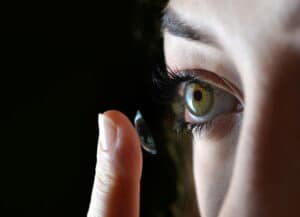
Antihistamine-releasing contact lenses are more effective than daily disposable contact lenses in reducing allergic conjunctivitis symptoms during hay fever season, according to a study.

A recent web-based retrospective cohort study involving 24 participants, found that those using antihistamine-releasing contact lenses experienced a significant reduction in total ocular symptom scores. The average reduction in symptoms was notably greater for antihistamine-releasing lens users (-4.7) compared to daily disposable lens users (-0.65), with the difference being statistically significant (P = 0.010).

There was also a significant delay in the need for anti-allergic eye drops among those using antihistamine-releasing lenses. On average, users of these lenses delayed initiating eye drop treatment by 57 days, compared to 19 days for daily disposable lens users (P = 0.045).

Reference
Fujio K, Sung J, Hirosawa K, et al. Effect of antihistamine-releasing contact lenses on ocular symptoms and treatment behavior in patients with seasonal allergic conjunctivitis: A retrospective study. Heliyon. 2024;10(13):e33385. doi: 10.1016/j.heliyon.2024.e33385. PMID: 39027577; PMCID: PMC467065.

Share

Related Content

  • Contact Lenses

DIMS spectacle lenses noninferior to orthokeratology for slowing myopia progression in children

  • Contact Lenses

Extended-wear rigid gas-permeable lenses show long-term viability in pediatric aphakia

  • Contact Lenses

Eyelid disease common among habitual scleral lens wearers, study finds

  • Contact Lenses

Weekly toric lenses maintain satisfaction after switch from biweekly wear

  • Contact Lenses

Women in midlife show larger differences between preferred and full refractive correction

  • Ocular Surface Disease

Ocular surface microbiome remains stable in contact lens wearers

Share

Advisory Board

Kaleb Abbott, OD, MS, FAAO

Clark Chang, OD

Jessica Haynes, OD, FAAO, FORS, Dipl ABO

Monica Kalia, OD

Cecelia Koetting, OD, FAAO, DipABO

Roya Attar, OD, MBA, DHA, FAAO

Hardeep Kataria, OD, FAAO

Marc R. Bloomenstein, OD, FAAO

Elise Kramer, OD

See All
Optometry 360

Optometry 360® is a dynamic digital platform dedicated to advancing the field of eye care.

Get to Know Us

  • Home
  • About Us
  • Media Partners
  • Advertising Policy
  • Our Advisory Board

Sign up for our Newsletter

Sign up for our Newsletter to get our newest articles instantly!

  • Privacy Policy
  • Advertising Policy
  • Medical Disclaimer
IHM Logo

© 2026 Optometry 360 is a trademark of International Healthcare Media, LLC. All rights Reserved

  • MedJournal360 Icon
  • RareDisease360 Icon
  • MyHero360 Icon
  • Optometry360 Icon
  • Ophthalmology360 Icon