Optometry 360
  • Home
  • Conferences
  • Videos
  • About Us
    • About Us – Mission
    • Media Partners
    • Advisory Board
    • Industry Council
    • Business Team

What are you looking for?

  • Conference Roundup
  • Contact Lenses
  • Diagnostics
  • Glaucoma
  • Myopia
  • Neurotrophic Keratitis
  • Ocular Surface Disease
  • Pediatrics
  • Practice Management
  • Presbyopia
  • Retina
  • Spotlight Series
Navigating Presbyopia Conversations with Patients in Practice
Optometry 360
  • Home
  • Conferences
  • Videos
  • About Us
    • About Us – Mission
    • Media Partners
    • Advisory Board
    • Industry Council
    • Business Team
Home > Combination therapy with atropine and DFCL shows promising myopia control in adults
  • Contact Lenses

Combination therapy with atropine and DFCL shows promising myopia control in adults

Kelsey Moroz
contact lens

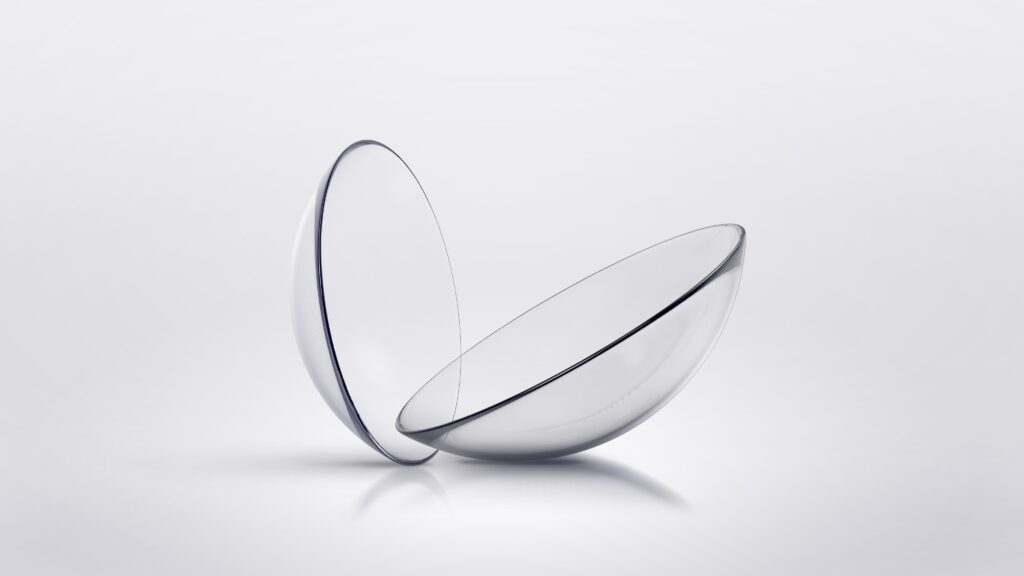
Combining 0.05% atropine with dual-focus soft contact lenses (DFCL) has a more significant and longer-lasting effect on increasing choroidal thickness and decreasing axial length in myopic adults compared to either treatment alone, according to a study.

In a randomized trial, patients received either atropine alone, DFCL alone, or a combination of the two. Key metrics— choroidal thickness, choroidal vascularity index (CVI), and axial length—were tracked at intervals across 1 month of treatment and for an additional month after stopping the intervention.

Both atropine alone and the combined therapy led to a significant increase in choroidal thickness and a reduction in axial length, with combination therapy showing the most notable effect. In contrast, DFCL alone did not significantly impact these measurements. After discontinuation, changes in choroidal thickness and axial length from combined therapy persisted for up to 14 days, whereas atropine effects lasted only 2 days. Baseline CVI showed a significant correlation with changes in choroidal thickness and axial length for those on combination therapy, though CVI itself remained unchanged across all treatments.

Reference
Zhang J, Zhong M, Fan S, et al. Differential impact of combined therapy and monotherapy with 0.05% atropine eyedrops and dual focus contact lenses on choroid. Cont Lens Anterior Eye. 2024;102320. doi: 10.1016/j.clae.2024.102320. Epub ahead of print. PMID: 39467722.

Share

Related Content

  • Contact Lenses

Soft contact lens fit remains consistent across spherical powers within ±2.00 D

  • Contact Lenses

Mobile app training associated with improved contact lens knowledge, practices

  • Myopia

High-dose atropine plus dual-focus lenses show minimal myopia progression

  • Contact Lenses

DIMS spectacle lenses noninferior to orthokeratology for slowing myopia progression in children

  • Contact Lenses

Extended-wear rigid gas-permeable lenses show long-term viability in pediatric aphakia

  • Contact Lenses

Eyelid disease common among habitual scleral lens wearers, study finds

Share

Advisory Board

Kaleb Abbott, OD, MS, FAAO

Clark Chang, OD

Jessica Haynes, OD, FAAO, FORS, Dipl ABO

Monica Kalia, OD

Cecelia Koetting, OD, FAAO, DipABO

Roya Attar, OD, MBA, DHA, FAAO

Hardeep Kataria, OD, FAAO

Marc R. Bloomenstein, OD, FAAO

Elise Kramer, OD

See All
Optometry 360

Optometry 360® is a dynamic digital platform dedicated to advancing the field of eye care.

Get to Know Us

  • Home
  • About Us
  • Media Partners
  • Advertising Policy
  • Our Advisory Board

Sign up for our Newsletter

Sign up for our Newsletter to get our newest articles instantly!

  • Privacy Policy
  • Advertising Policy
  • Medical Disclaimer
IHM Logo

© 2026 Optometry 360 is a trademark of International Healthcare Media, LLC. All rights Reserved

  • MedJournal360 Icon
  • RareDisease360 Icon
  • MyHero360 Icon
  • Optometry360 Icon
  • Ophthalmology360 Icon