Optometry 360
  • Home
  • Conferences
  • Videos
  • About Us
    • About Us – Mission
    • Media Partners
    • Advisory Board
    • Industry Council
    • Business Team

What are you looking for?

  • Conference Roundup
  • Contact Lenses
  • Diagnostics
  • Glaucoma
  • Myopia
  • Neurotrophic Keratitis
  • Ocular Surface Disease
  • Pediatrics
  • Practice Management
  • Presbyopia
  • Retina
  • Spotlight Series
The evolving role of the optometrist in nonsurgical cataract management
Optometry 360
  • Home
  • Conferences
  • Videos
  • About Us
    • About Us – Mission
    • Media Partners
    • Advisory Board
    • Industry Council
    • Business Team
Home > Contact lens discomfort associated with altered lipid deposition and tear stability
  • Contact Lenses

Contact lens discomfort associated with altered lipid deposition and tear stability

Kelsey Moroz

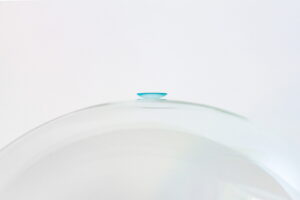
Contact lens discomfort in silicone hydrogel lens (SCL) wearers was associated with higher ratios of lipid fatty acid degradation on the lenses and reduced tear film stability, according to a study.

The analysis included 38 eyes from 38 participants, all of whom wore frequent-replacement silicone hydrogel lenses (Comfilcon A). Tear break-up time, meibomian gland morphology, subjective symptoms, and lipid deposition on lenses were measured before and after two weeks of SCL wear.

After 2 weeks of lens wear, symptomatic SCL wearers showed significantly higher fatty acid ratios and shorter non-invasive tear break-up times compared with asymptomatic wearers. J-CLDEQ-8 total scores were significantly correlated with fatty acid ratios and non-invasive tear break-up time. Prior to lens wear, symptomatic participants also had significantly shorter fluorescein tear break-up times and more severe upper eyelid meibomian gland morphology changes than asymptomatic participants.

Reference
Itokawa T, Suzuki T, Kakisu K, et al. Impact of lipid degradation and tear film stability on silicone hydrogel contact lens wearers with discomfort. Cont Lens Anterior Eye. 2026;49(2):102616. doi: 10.1016/j.clae.2026.102616. Epub ahead of print. PMID: 41529586.

Share

Related Content

  • Contact Lenses

Extended-wear rigid gas-permeable lenses show long-term viability in pediatric aphakia

  • Contact Lenses

Eyelid disease common among habitual scleral lens wearers, study finds

  • Contact Lenses

Weekly toric lenses maintain satisfaction after switch from biweekly wear

  • Contact Lenses

Women in midlife show larger differences between preferred and full refractive correction

  • Ocular Surface Disease

Ocular surface microbiome remains stable in contact lens wearers

  • Contact Lenses

OCT systems provide repeatable measurements of soft contact lens thickness

Share

Advisory Board

Kaleb Abbott, OD, MS, FAAO

Clark Chang, OD

Jessica Haynes, OD, FAAO, FORS, Dipl ABO

Monica Kalia, OD

Cecelia Koetting, OD, FAAO, DipABO

Roya Attar, OD, MBA, DHA, FAAO

Hardeep Kataria, OD, FAAO

Marc R. Bloomenstein, OD, FAAO

Elise Kramer, OD

See All
Optometry 360

Optometry 360® is a dynamic digital platform dedicated to advancing the field of eye care.

Get to Know Us

  • Home
  • About Us
  • Media Partners
  • Advertising Policy
  • Our Advisory Board

Sign up for our Newsletter

Sign up for our Newsletter to get our newest articles instantly!

  • Privacy Policy
  • Advertising Policy
  • Medical Disclaimer
IHM Logo

© 2026 Optometry 360 is a trademark of International Healthcare Media, LLC. All rights Reserved

  • MedJournal360 Icon
  • RareDisease360 Icon
  • MyHero360 Icon
  • Optometry360 Icon
  • Ophthalmology360 Icon