Optometry 360
  • Home
  • Conferences
  • Videos
  • About Us
    • About Us – Mission
    • Media Partners
    • Advisory Board
    • Industry Council
    • Business Team

What are you looking for?

  • Conference Roundup
  • Contact Lenses
  • Diagnostics
  • Glaucoma
  • Myopia
  • Neurotrophic Keratitis
  • Ocular Surface Disease
  • Pediatrics
  • Practice Management
  • Presbyopia
  • Retina
  • Spotlight Series
The evolving role of the optometrist in nonsurgical cataract management
Optometry 360
  • Home
  • Conferences
  • Videos
  • About Us
    • About Us – Mission
    • Media Partners
    • Advisory Board
    • Industry Council
    • Business Team
Home > Ocular surface health may play a key role in glaucoma treatment adherence
  • Glaucoma

Ocular surface health may play a key role in glaucoma treatment adherence

Kelsey Moroz

Preserving ocular surface health should be considered a key component of glaucoma care, with patient-centered and preservative-sparing strategies potentially helping to improve treatment adherence, quality of life, and long-term outcomes, according to a recent review.

The review found that ocular surface disease (OSD) affects up to 60% of patients with glaucoma, which is substantially higher than in the general population. Chronic use of topical intraocular pressure-lowering medications, particularly those containing benzalkonium chloride (BAK), was associated with epithelial and goblet cell toxicity, tear film instability, and ocular inflammation.

Symptoms of OSD, including dryness, burning, and blurred vision, can negatively impact patients’ quality of life and may reduce adherence to glaucoma treatment, according to the review. The authors emphasized the importance of recognizing and addressing ocular surface complications.

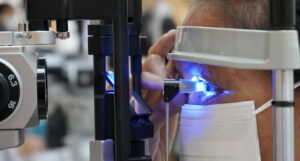
The review highlighted several approaches to reducing ocular surface burden, including the use of preservative-free medications, selective laser trabeculoplasty, and minimally invasive glaucoma surgery. The authors also noted that structured assessments using questionnaires, slit-lamp examination, and diagnostic testing can support earlier detection and individualized management of OSD.

Reference
Kolko M. Rethinking Dry Eye and Ocular Surface Disease in Glaucoma: Pathophysiology, Diagnosis, and Management. J Glaucoma. 2026;35(7):455-463. doi: 10.1097/IJG.0000000000002729. Epub 2026 May 6. PMID: 42340748.

Share

Related Content

  • Glaucoma

Optometrists expand role in glaucoma care worldwide, but barriers remain

  • Glaucoma

Global glaucoma disability rates decline despite rising case burden

  • Glaucoma

Adults with ASD show higher rates of glaucoma, cataract, and other eye conditions

  • Glaucoma

Cognitive function and comorbidity linked to different glaucoma medication adherence barriers

  • Glaucoma

AOA 2026: Surgical and technological advances to improve quality of life and reduce drop burden in glaucoma

  • Glaucoma

Poor sleep quality linked to glaucoma severity in older adults

Share

Advisory Board

Kaleb Abbott, OD, MS, FAAO

Clark Chang, OD

Jessica Haynes, OD, FAAO, FORS, Dipl ABO

Monica Kalia, OD

Cecelia Koetting, OD, FAAO, DipABO

Roya Attar, OD, MBA, DHA, FAAO

Hardeep Kataria, OD, FAAO

Marc R. Bloomenstein, OD, FAAO

Elise Kramer, OD

See All
Optometry 360

Optometry 360® is a dynamic digital platform dedicated to advancing the field of eye care.

Get to Know Us

  • Home
  • About Us
  • Media Partners
  • Advertising Policy
  • Our Advisory Board

Sign up for our Newsletter

Sign up for our Newsletter to get our newest articles instantly!

  • Privacy Policy
  • Advertising Policy
  • Medical Disclaimer
IHM Logo

© 2026 Optometry 360 is a trademark of International Healthcare Media, LLC. All rights Reserved

  • MedJournal360 Icon
  • RareDisease360 Icon
  • MyHero360 Icon
  • Optometry360 Icon
  • Ophthalmology360 Icon