Optometry 360
  • Home
  • Conferences
  • Videos
  • About Us
    • About Us – Mission
    • Media Partners
    • Advisory Board
    • Industry Council
    • Business Team

What are you looking for?

  • Conference Roundup
  • Contact Lenses
  • Diagnostics
  • Glaucoma
  • Myopia
  • Neurotrophic Keratitis
  • Ocular Surface Disease
  • Pediatrics
  • Practice Management
  • Presbyopia
  • Retina
  • Spotlight Series
The evolving role of the optometrist in nonsurgical cataract management
Optometry 360
  • Home
  • Conferences
  • Videos
  • About Us
    • About Us – Mission
    • Media Partners
    • Advisory Board
    • Industry Council
    • Business Team
Home > Study compares 0.01%, 0.025%, and 0.05% atropine for pediatric myopia control
  • Myopia

Study compares 0.01%, 0.025%, and 0.05% atropine for pediatric myopia control

Kelsey Moroz

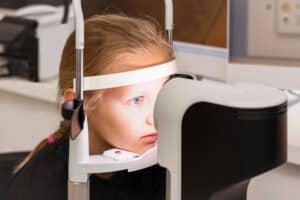
Low-concentration atropine eye drops were associated with reduced myopia progression in children over 12 months, according to a study.

In a prospective, real-world, multi-center study, 175 Chinese children aged 6 to 18 years with myopia were treated with nightly atropine eye drops at concentrations of 0.01%, 0.025%, or 0.05%.

All 3 atropine concentrations were effective in slowing myopia progression. After 12 months, the smallest spherical equivalent progression was observed in the 0.05% group (-0.27 ± 0.72 D), followed by the 0.025% group (-0.35 ± 0.59 D) and the 0.01% group (-0.44 ± 1.02 D), with a statistically significant difference between the 0.05% and 0.01% groups (P = 0.014).

Axial length elongation was lowest in the 0.025% group (0.21 ± 0.19 mm), although differences among the 3 groups were not statistically significant (P = 0.299). Regression analyses indicated that changes in axial length accounted for more than 34% of the variation in spherical equivalent in the 0.025% and 0.05% groups, compared with 14% in the 0.01% group.

Reference
Li HX, Wu P, Qi WP, et al. Real-world evidence for atropine titration in myopia control: a comparative study of three low-dose regimens in Chinese children. Front Pharmacol. 2026;17:1716698. doi: 10.3389/fphar.2026.1716698. PMID: 41853489; PMCID: PMC12993483.

Share

Related Content

  • Myopia

Axial length monitoring may help assess myopia control success in clinical practice

  • Myopia

Switching myopia-control spectacles may temporarily slow progression in some children

  • Myopia

Thirty minutes of tablet use reduces tear film stability in myopic children

  • Myopia

Height growth timing may inform management of axial elongation in pediatric myopia patients

  • Myopia

MRI-defined eye shape predicts long-term outcomes in high myopia

  • Myopia

Myopia control spectacle lenses linked to reduced off-axis contrast sensitivity

Share

Advisory Board

Kaleb Abbott, OD, MS, FAAO

Clark Chang, OD

Jessica Haynes, OD, FAAO, FORS, Dipl ABO

Monica Kalia, OD

Cecelia Koetting, OD, FAAO, DipABO

Roya Attar, OD, MBA, DHA, FAAO

Hardeep Kataria, OD, FAAO

Marc R. Bloomenstein, OD, FAAO

Elise Kramer, OD

See All
Optometry 360

Optometry 360® is a dynamic digital platform dedicated to advancing the field of eye care.

Get to Know Us

  • Home
  • About Us
  • Media Partners
  • Advertising Policy
  • Our Advisory Board

Sign up for our Newsletter

Sign up for our Newsletter to get our newest articles instantly!

  • Privacy Policy
  • Advertising Policy
  • Medical Disclaimer
IHM Logo

© 2026 Optometry 360 is a trademark of International Healthcare Media, LLC. All rights Reserved

  • MedJournal360 Icon
  • RareDisease360 Icon
  • MyHero360 Icon
  • Optometry360 Icon
  • Ophthalmology360 Icon