Optometry 360
  • Home
  • Conferences
  • Videos
  • About Us
    • About Us – Mission
    • Media Partners
    • Advisory Board
    • Industry Council
    • Business Team

What are you looking for?

  • Conference Roundup
  • Contact Lenses
  • Diagnostics
  • Glaucoma
  • Myopia
  • Neurotrophic Keratitis
  • Ocular Surface Disease
  • Pediatrics
  • Practice Management
  • Presbyopia
  • Retina
  • Spotlight Series
The evolving role of the optometrist in nonsurgical cataract management
Optometry 360
  • Home
  • Conferences
  • Videos
  • About Us
    • About Us – Mission
    • Media Partners
    • Advisory Board
    • Industry Council
    • Business Team
Home > Modeling and clinical data align on optimal pupil size for presbyopia therapy
  • Presbyopia

Modeling and clinical data align on optimal pupil size for presbyopia therapy

Kelsey Moroz

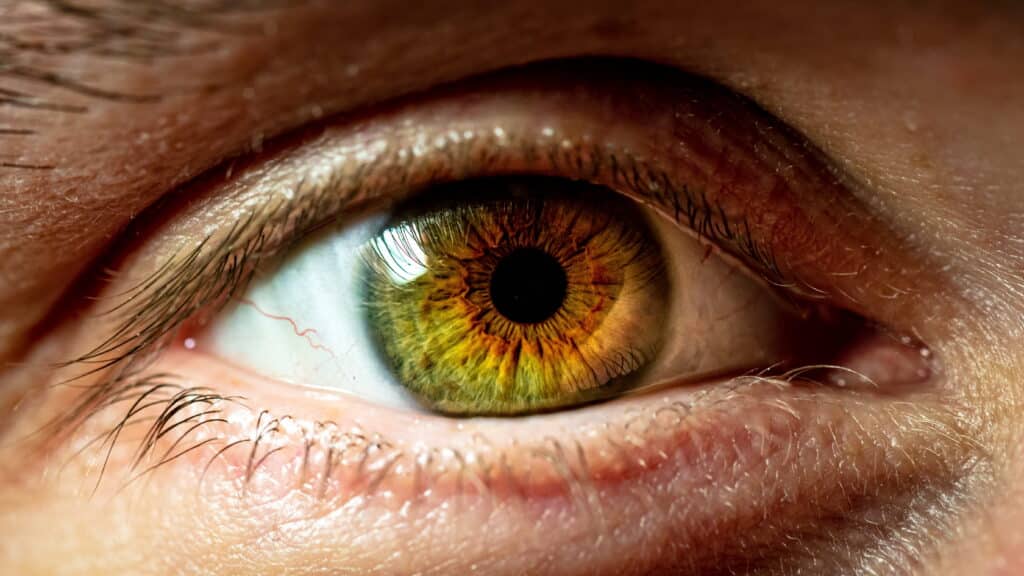
Pharmacologic treatments for presbyopia achieve near-optimal pupil sizes for improving near vision while maintaining image quality, according to a recent comment that incorporates optical modeling and clinical data.

Investigators used optical modeling alongside clinical trial data to define an optimal target pupil size.

Results showed that smaller pupil sizes, between 1.5 mm and 2.5 mm, significantly increased depth of focus while preserving acceptable image quality. These findings were consistent with clinical trial data, where pilocarpine treatments typically produced pupil diameters of 2.0 mm to 2.5 mm and were associated with meaningful improvements in near vision.

The analysis found that these clinically achieved pupil sizes closely align with a theoretically optimal range of 2.0 mm to 3.0 mm identified through modeling.

Reference
De Gracia P, Pucker AD. Pharmacological Modulation of Pupil Size in Presbyopia: Optical Modeling and Clinical Implications. J Clin Med. 2025;14(17):6040. doi: 10.3390/jcm14176040. PMID: 40943800; PMCID: PMC12428952.

Share

Related Content

  • Presbyopia

Spotlight on TECNIS Odyssey™

  • Presbyopia

Drinking habit associated with faster progression of presbyopia in adults

  • Presbyopia

From readers to topical pharmaceuticals: a new dawn in presbyopia care

  • Contact Lenses

Women in midlife show larger differences between preferred and full refractive correction

  • Presbyopia

Bilateral TECNIS Odyssey implantation delivers strong visual acuity and high patient satisfaction at 3 months

  • Conference Roundup

Lower-dose pilocarpine does not affect ciliary muscle thickness

Share

Advisory Board

Kaleb Abbott, OD, MS, FAAO

Clark Chang, OD

Jessica Haynes, OD, FAAO, FORS, Dipl ABO

Monica Kalia, OD

Cecelia Koetting, OD, FAAO, DipABO

Roya Attar, OD, MBA, DHA, FAAO

Hardeep Kataria, OD, FAAO

Marc R. Bloomenstein, OD, FAAO

Elise Kramer, OD

See All
Optometry 360

Optometry 360® is a dynamic digital platform dedicated to advancing the field of eye care.

Get to Know Us

  • Home
  • About Us
  • Media Partners
  • Advertising Policy
  • Our Advisory Board

Sign up for our Newsletter

Sign up for our Newsletter to get our newest articles instantly!

  • Privacy Policy
  • Advertising Policy
  • Medical Disclaimer
IHM Logo

© 2026 Optometry 360 is a trademark of International Healthcare Media, LLC. All rights Reserved

  • MedJournal360 Icon
  • RareDisease360 Icon
  • MyHero360 Icon
  • Optometry360 Icon
  • Ophthalmology360 Icon