Optometry 360
  • Home
  • Conferences
  • Videos
  • About Us
    • About Us – Mission
    • Media Partners
    • Advisory Board
    • Industry Council
    • Business Team

What are you looking for?

  • Conference Roundup
  • Contact Lenses
  • Diagnostics
  • Glaucoma
  • Myopia
  • Neurotrophic Keratitis
  • Ocular Surface Disease
  • Pediatrics
  • Practice Management
  • Presbyopia
  • Retina
  • Spotlight Series
The evolving role of the optometrist in nonsurgical cataract management
Optometry 360
  • Home
  • Conferences
  • Videos
  • About Us
    • About Us – Mission
    • Media Partners
    • Advisory Board
    • Industry Council
    • Business Team
Home > AI-based meibography grading shows lower accuracy than human evaluators in diagnosing MGD
  • Diagnostics

AI-based meibography grading shows lower accuracy than human evaluators in diagnosing MGD

Kelsey Moroz

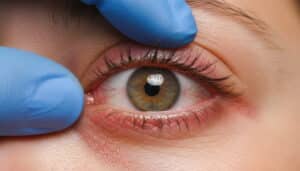
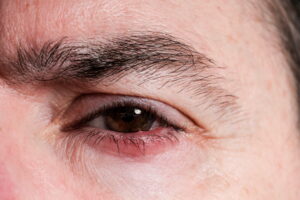
Artificial intelligence (AI)–based analysis of meibography images may be less accurate than human graders for diagnosing meibomian gland dysfunction (MGD), according to a new study.

A systematic review of 14 studies included 5,511 predominantly middle-aged participants and analyzed 18,926 meibography images obtained using noncontact infrared imaging or in vivo confocal microscopy. Investigators followed Cochrane diagnostic test accuracy methods, using standardized tools to assess bias and evidence quality.

Across the included studies, most AI models were internally validated, with only two studies reporting external validation and one reporting both. Nearly all studies had a high risk of bias in at least 1 domain, and most raised concerns about applicability.

Based on 3 externally validated datasets, AI models demonstrated a pooled sensitivity of 97.5% and specificity of 85.5% in distinguishing MGD from normal glands. However, variability among internally validated models was attributed to differences in study populations and case mix.

Overall, the certainty of evidence was rated very low to low due to imprecision, bias, and limited generalizability. The authors concluded that AI-based meibography grading currently underperforms compared with human evaluation and emphasized the need for more rigorous study designs, broader datasets, and external validation in future research.

Reference
Liu SH, Shah M, Leslie L, et al. Artificial Intelligence for Diagnosing Meibomian Gland Dysfunction: A Systematic Review and Meta-Analysis of Diagnostic Test Accuracy Studies. Cornea. 2026;doi: 10.1097/ICO.0000000000004151. Epub ahead of print. PMID: 41931504.

Share

Related Content

  • Ocular Surface Disease

Perceived stress may precede worsening dry eye symptoms in young adults

  • Ocular Surface Disease

Post-menopausal women show more severe evaporative dry eye disease

  • Ocular Surface Disease

Dry eye diagnostic practices remain inconsistent worldwide, survey finds

  • Ocular Surface Disease

Spotlight on VEVYE®

  • Ocular Surface Disease

Intervening early in dry eye disease: reducing patient cost and disease burden

  • Ocular Surface Disease

Consensus guidance helps identify misdiagnosed demodex blepharitis

Share

Advisory Board

Kaleb Abbott, OD, MS, FAAO

Clark Chang, OD

Jessica Haynes, OD, FAAO, FORS, Dipl ABO

Monica Kalia, OD

Cecelia Koetting, OD, FAAO, DipABO

Roya Attar, OD, MBA, DHA, FAAO

Hardeep Kataria, OD, FAAO

Marc R. Bloomenstein, OD, FAAO

Elise Kramer, OD

See All
Optometry 360

Optometry 360® is a dynamic digital platform dedicated to advancing the field of eye care.

Get to Know Us

  • Home
  • About Us
  • Media Partners
  • Advertising Policy
  • Our Advisory Board

Sign up for our Newsletter

Sign up for our Newsletter to get our newest articles instantly!

  • Privacy Policy
  • Advertising Policy
  • Medical Disclaimer
IHM Logo

© 2026 Optometry 360 is a trademark of International Healthcare Media, LLC. All rights Reserved

  • MedJournal360 Icon
  • RareDisease360 Icon
  • MyHero360 Icon
  • Optometry360 Icon
  • Ophthalmology360 Icon