Optometry 360
  • Home
  • Conferences
  • Videos
  • About Us
    • About Us – Mission
    • Media Partners
    • Advisory Board
    • Industry Council
    • Business Team

What are you looking for?

  • Conference Roundup
  • Contact Lenses
  • Diagnostics
  • Glaucoma
  • Myopia
  • Neurotrophic Keratitis
  • Ocular Surface Disease
  • Pediatrics
  • Practice Management
  • Presbyopia
  • Retina
  • Spotlight Series
The evolving role of the optometrist in nonsurgical cataract management
Optometry 360
  • Home
  • Conferences
  • Videos
  • About Us
    • About Us – Mission
    • Media Partners
    • Advisory Board
    • Industry Council
    • Business Team
Home > Tear meniscus dynamics in soft contact lens wearers assessed by advanced imaging techniques
  • Diagnostics

Tear meniscus dynamics in soft contact lens wearers assessed by advanced imaging techniques

Kelsey Moroz

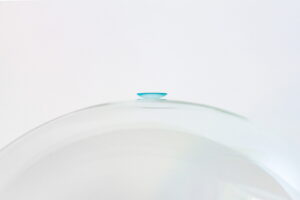
Tear meniscus parameters, particularly turbidity and the percentage area occupied by particles (PAOP), significantly increase over time in soft contact lens wearers, with symptomatic wearers experiencing earlier and more pronounced decreases in tear meniscus height and depth, according to a study.

The study prospectively examined 50 soft contact lens wearers, splitting them into 25 symptomatic wearers (SCLW) and 25 asymptomatic wearers (ASCW), along with a control group of 25 healthy individuals who do not wear contact lenses (NCLW). OCT was used to image the lower tear meniscus at multiple intervals: before lens insertion; immediately after; and then 2, 5, and 10 hours post-insertion. Measured parameters included tear meniscus height (TMH), depth (TMD), turbidity, and the PAOP.

Baseline turbidity and PAOP were significantly higher in symptomatic SCL wearers compared to the other groups (P < 0.05). No significant differences were found between TMH, TMD, turbidity, and PAOP at baseline and 2 hours post-insertion across all groups (P > 0.05). However, symptomatic SCL users showed a significant decrease in TMH and TMD at 5 hours. Turbidity and PAOP in both symptomatic and asymptomatic SCL wearers were significantly higher at 5 and 10 hours compared to non-CL wearers (P < 0.05).

Reference
Dogan L, Arslan GD. The analysis of tear meniscus parameters during daily soft contact lens wear using optical coherence tomography. Graefes Arch Clin Exp Ophthalmol. 2024;doi: 10.1007/s00417-024-06606-7. Epub ahead of print. PMID: 39110197.


Share

Related Content

  • Contact Lenses

DIMS spectacle lenses noninferior to orthokeratology for slowing myopia progression in children

  • Diagnostics

Diabetes linked to higher risk of ulcerative keratitis in US study

  • Glaucoma

Review highlights potential role of electrophysiology in early glaucoma detection

  • Contact Lenses

Extended-wear rigid gas-permeable lenses show long-term viability in pediatric aphakia

  • Diagnostics

AI-based diagnostics show promise for early ocular disease detection

  • Diagnostics

Tear biomarkers may help predict response to low-level light therapy after cataract surgery

Share

Advisory Board

Kaleb Abbott, OD, MS, FAAO

Clark Chang, OD

Jessica Haynes, OD, FAAO, FORS, Dipl ABO

Monica Kalia, OD

Cecelia Koetting, OD, FAAO, DipABO

Roya Attar, OD, MBA, DHA, FAAO

Hardeep Kataria, OD, FAAO

Marc R. Bloomenstein, OD, FAAO

Elise Kramer, OD

See All
Optometry 360

Optometry 360® is a dynamic digital platform dedicated to advancing the field of eye care.

Get to Know Us

  • Home
  • About Us
  • Media Partners
  • Advertising Policy
  • Our Advisory Board

Sign up for our Newsletter

Sign up for our Newsletter to get our newest articles instantly!

  • Privacy Policy
  • Advertising Policy
  • Medical Disclaimer
IHM Logo

© 2026 Optometry 360 is a trademark of International Healthcare Media, LLC. All rights Reserved

  • MedJournal360 Icon
  • RareDisease360 Icon
  • MyHero360 Icon
  • Optometry360 Icon
  • Ophthalmology360 Icon