Optometry 360
  • Home
  • Conferences
  • Videos
  • About Us
    • About Us – Mission
    • Media Partners
    • Advisory Board
    • Industry Council
    • Business Team

What are you looking for?

  • Conference Roundup
  • Contact Lenses
  • Diagnostics
  • Glaucoma
  • Myopia
  • Neurotrophic Keratitis
  • Ocular Surface Disease
  • Pediatrics
  • Practice Management
  • Presbyopia
  • Retina
  • Spotlight Series
The evolving role of the optometrist in nonsurgical cataract management
Optometry 360
  • Home
  • Conferences
  • Videos
  • About Us
    • About Us – Mission
    • Media Partners
    • Advisory Board
    • Industry Council
    • Business Team
Home > Combined ivermectin and IPL therapy shows promise for demodex-related dry eye
  • Ocular Surface Disease

Combined ivermectin and IPL therapy shows promise for demodex-related dry eye

Kelsey Moroz

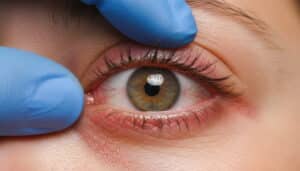
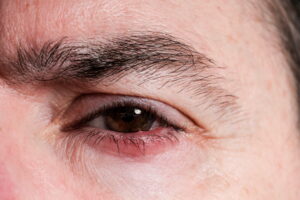
Combining topical ivermectin 1% with intense pulsed light (IPL) therapy is a safe and effective treatment for dry eye disease caused by demodex blepharitis, significantly improving symptoms, meibomian gland function, and patient satisfaction, according to a study.

The retrospective study included 61 patients who underwent treatment at a specialized DED clinic. Patients received 4 IPL treatments at 2- to 3-week intervals and applied topical ivermectin daily for 1 to 2 months. Researchers assessed 122 eyes for blepharitis resolution, meibomian gland function, corneal staining, clinical improvement, and patient satisfaction before and after therapy.

Results showed significant improvements, with blepharitis eliminated in 77% of patients and meibomian gland secretion grading improving markedly (P < 0.001). Patient satisfaction and clinical improvement rates were rated moderate to high, and no significant side effects were reported.

The study concludes that the dual treatment effectively enhances clinical outcomes and patient satisfaction.

Reference
Safir M, Rabina G, Arbel I, et al. Ivermectin 1% Combined With Intense Pulsed Light Treatment for Dry Eye Disease Secondary to Demodex Blepharitis. Cornea. 2024;doi: 10.1097/ICO.0000000000003774. Epub ahead of print. PMID: 39625128.

Share

Related Content

  • Ocular Surface Disease

Perceived stress may precede worsening dry eye symptoms in young adults

  • Ocular Surface Disease

Post-menopausal women show more severe evaporative dry eye disease

  • Ocular Surface Disease

Dry eye diagnostic practices remain inconsistent worldwide, survey finds

  • Ocular Surface Disease

Spotlight on VEVYE®

  • Ocular Surface Disease

Intervening early in dry eye disease: reducing patient cost and disease burden

  • Ocular Surface Disease

Consensus guidance helps identify misdiagnosed demodex blepharitis

Share

Advisory Board

Kaleb Abbott, OD, MS, FAAO

Clark Chang, OD

Jessica Haynes, OD, FAAO, FORS, Dipl ABO

Monica Kalia, OD

Cecelia Koetting, OD, FAAO, DipABO

Roya Attar, OD, MBA, DHA, FAAO

Hardeep Kataria, OD, FAAO

Marc R. Bloomenstein, OD, FAAO

Elise Kramer, OD

See All
Optometry 360

Optometry 360® is a dynamic digital platform dedicated to advancing the field of eye care.

Get to Know Us

  • Home
  • About Us
  • Media Partners
  • Advertising Policy
  • Our Advisory Board

Sign up for our Newsletter

Sign up for our Newsletter to get our newest articles instantly!

  • Privacy Policy
  • Advertising Policy
  • Medical Disclaimer
IHM Logo

© 2026 Optometry 360 is a trademark of International Healthcare Media, LLC. All rights Reserved

  • MedJournal360 Icon
  • RareDisease360 Icon
  • MyHero360 Icon
  • Optometry360 Icon
  • Ophthalmology360 Icon