Optometry 360
  • Home
  • Conferences
  • Videos
  • About Us
    • About Us – Mission
    • Media Partners
    • Advisory Board
    • Industry Council
    • Business Team

What are you looking for?

  • Conference Roundup
  • Contact Lenses
  • Diagnostics
  • Glaucoma
  • Myopia
  • Neurotrophic Keratitis
  • Ocular Surface Disease
  • Pediatrics
  • Practice Management
  • Presbyopia
  • Retina
  • Spotlight Series
The evolving role of the optometrist in nonsurgical cataract management
Optometry 360
  • Home
  • Conferences
  • Videos
  • About Us
    • About Us – Mission
    • Media Partners
    • Advisory Board
    • Industry Council
    • Business Team
Home > Dupilumab linked to increased risk of ocular surface diseases
  • Ocular Surface Disease

Dupilumab linked to increased risk of ocular surface diseases

Kelsey Moroz

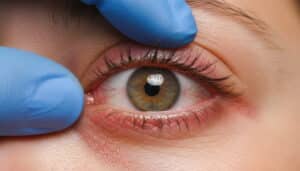
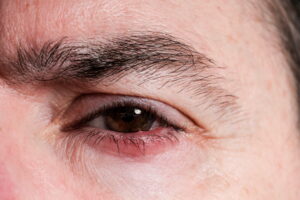
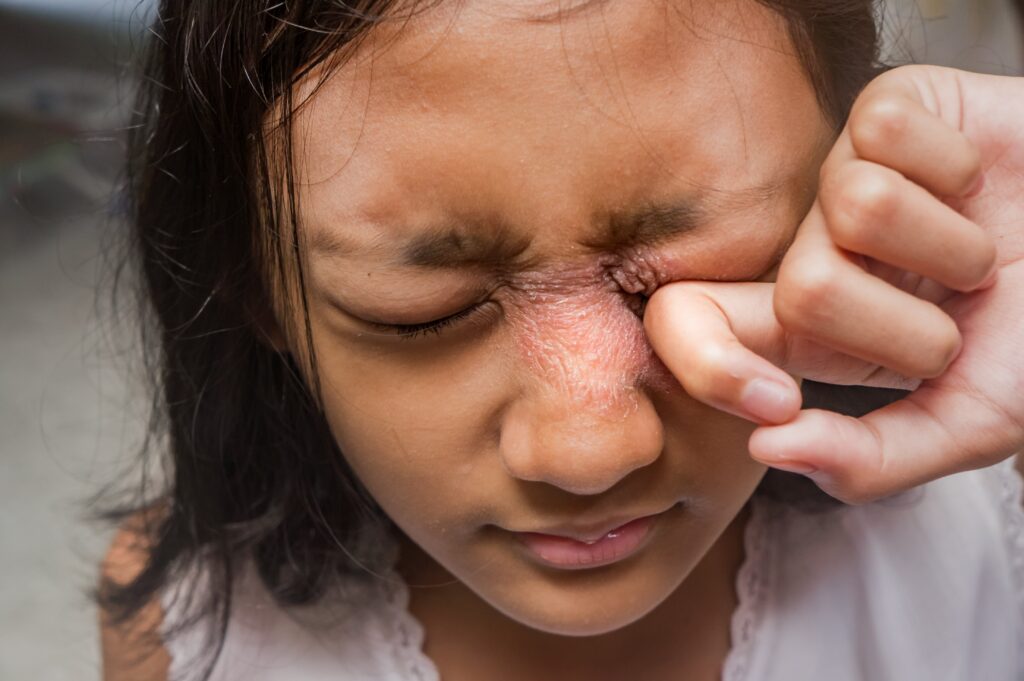
Dupilumab use is associated with an increased risk of developing or exacerbating ocular surface diseases (OSD), particularly dry eye, according to a study.

Using the FDA Adverse Event Reporting System (FAERS) database, the study identified 85 signals of DIOSD between 2017 and 2023. Dry eye was the most frequently reported AE, with 3,503 cases and a significant reporting odds ratio (ROR 20.32). A review of 36 articles highlighted 201 clinical cases of dupilumab-induced ocular surface diseases, primarily affecting patients with severe atopic dermatitis (64.18%) and those with a history of ocular conditions (48.26%).

Mechanistic analysis suggested that tumor necrosis factor may play a key role in the development of DIOSD.

The findings emphasize the need for heightened vigilance regarding eye-related symptoms in patients using dupilumab, particularly those with preexisting ocular conditions or severe atopic dermatitis.

Reference
Chen J, Li H, Zhang H, et al. Dupilumab induced ocular surface diseases: an analysis of FAERS database, literature review and disease-gene interaction networks. Expert Opin Drug Saf. 2025;doi: 10.1080/14740338.2024.2448825. Epub ahead of print. PMID: 39744776.

Share

Related Content

  • Ocular Surface Disease

Perceived stress may precede worsening dry eye symptoms in young adults

  • Ocular Surface Disease

Post-menopausal women show more severe evaporative dry eye disease

  • Ocular Surface Disease

Dry eye diagnostic practices remain inconsistent worldwide, survey finds

  • Ocular Surface Disease

Spotlight on VEVYE®

  • Ocular Surface Disease

Intervening early in dry eye disease: reducing patient cost and disease burden

  • Ocular Surface Disease

Consensus guidance helps identify misdiagnosed demodex blepharitis

Share

Advisory Board

Kaleb Abbott, OD, MS, FAAO

Clark Chang, OD

Jessica Haynes, OD, FAAO, FORS, Dipl ABO

Monica Kalia, OD

Cecelia Koetting, OD, FAAO, DipABO

Roya Attar, OD, MBA, DHA, FAAO

Hardeep Kataria, OD, FAAO

Marc R. Bloomenstein, OD, FAAO

Elise Kramer, OD

See All
Optometry 360

Optometry 360® is a dynamic digital platform dedicated to advancing the field of eye care.

Get to Know Us

  • Home
  • About Us
  • Media Partners
  • Advertising Policy
  • Our Advisory Board

Sign up for our Newsletter

Sign up for our Newsletter to get our newest articles instantly!

  • Privacy Policy
  • Advertising Policy
  • Medical Disclaimer
IHM Logo

© 2026 Optometry 360 is a trademark of International Healthcare Media, LLC. All rights Reserved

  • MedJournal360 Icon
  • RareDisease360 Icon
  • MyHero360 Icon
  • Optometry360 Icon
  • Ophthalmology360 Icon