Optometry 360
  • Home
  • Conferences
  • Videos
  • About Us
    • About Us – Mission
    • Media Partners
    • Advisory Board
    • Industry Council
    • Business Team

What are you looking for?

  • Conference Roundup
  • Contact Lenses
  • Diagnostics
  • Glaucoma
  • Myopia
  • Neurotrophic Keratitis
  • Ocular Surface Disease
  • Pediatrics
  • Practice Management
  • Presbyopia
  • Retina
  • Spotlight Series
The evolving role of the optometrist in nonsurgical cataract management
Optometry 360
  • Home
  • Conferences
  • Videos
  • About Us
    • About Us – Mission
    • Media Partners
    • Advisory Board
    • Industry Council
    • Business Team
Home > Freeform lenses outperform aspheric designs in vision and patient satisfaction
  • Trending Topics

Freeform lenses outperform aspheric designs in vision and patient satisfaction

Kelsey Moroz

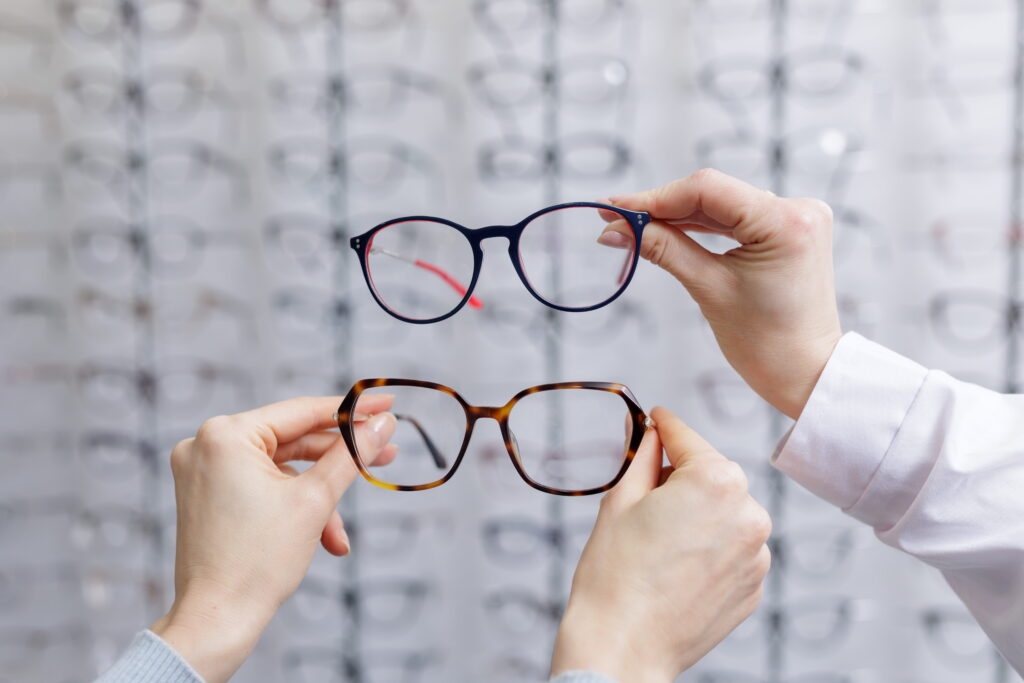
Freeform spectacle lenses (FFLs) offer improved peripheral optics, faster adaptation, and higher patient satisfaction compared with aspheric lenses (ASLs), according to a review of more than 90 studies evaluating modern lens design performance.

Findings were grouped into optical performance, visual function, subjective outcomes, and practical considerations to compare ASLs and FFLs.

Both ASLs and FFLs were found to outperform traditional spherical lenses in central vision. However, FFLs consistently demonstrated superior peripheral performance, including lower peripheral astigmatism, reduced mean power error, and wider usable fields of view, particularly in progressive addition lenses. Freeform spectacle lenses also showed improved contrast sensitivity under mesopic and low-contrast conditions.

Personalization of position-of-wear parameters, such as vertex distance, pantoscopic tilt, and frame wrap, was identified as a key factor driving the performance advantages of FFLs, which were associated with faster adaptation and greater patient satisfaction, particularly in complex prescriptions and progressive lenses.

Aspheric lenses were noted to be a more cost-effective option for patients with moderate prescriptions and standard fittings, whereas FFLs were characterized as the preferred option for personalized spectacle correction when precise measurements and manufacturing are achieved.

Reference

Ladopoulos K, Pateras E, Ninos G. Freeform vs. Aspheric Spectacle Lenses: A Comprehensive Review of Optical Performance, Clinical Outcomes, and Patient Considerations. Cureus. 2026;18(2):e104008. doi: 10.7759/cureus.104008. PMID: 41878179; PMCID: PMC13006856.

Share

Related Content

  • Practice Management

Integrated care framework proposed for patients with dry eye disease and depression

  • Diagnostics

Diabetes linked to higher risk of ulcerative keratitis in US study

  • Practice Management

Stakeholders identify priorities and challenges for integrating AI into optometry education

  • Practice Management

Review highlights gaps in optometrists’ role in falls prevention for older adult

  • Trending Topics

Aspirin use linked to higher risk of early and dry AMD in genetic analysis

  • Ocular Surface Disease

Review highlights variability in dry eye disease rates among immune checkpoint inhibitor users

Share

Advisory Board

Kaleb Abbott, OD, MS, FAAO

Clark Chang, OD

Jessica Haynes, OD, FAAO, FORS, Dipl ABO

Monica Kalia, OD

Cecelia Koetting, OD, FAAO, DipABO

Roya Attar, OD, MBA, DHA, FAAO

Hardeep Kataria, OD, FAAO

Marc R. Bloomenstein, OD, FAAO

Elise Kramer, OD

See All
Optometry 360

Optometry 360® is a dynamic digital platform dedicated to advancing the field of eye care.

Get to Know Us

  • Home
  • About Us
  • Media Partners
  • Advertising Policy
  • Our Advisory Board

Sign up for our Newsletter

Sign up for our Newsletter to get our newest articles instantly!

  • Privacy Policy
  • Advertising Policy
  • Medical Disclaimer
IHM Logo

© 2026 Optometry 360 is a trademark of International Healthcare Media, LLC. All rights Reserved

  • MedJournal360 Icon
  • RareDisease360 Icon
  • MyHero360 Icon
  • Optometry360 Icon
  • Ophthalmology360 Icon