Optometry 360
  • Home
  • Conferences
  • Videos
  • About Us
    • About Us – Mission
    • Media Partners
    • Advisory Board
    • Industry Council
    • Business Team

What are you looking for?

  • Conference Roundup
  • Contact Lenses
  • Diagnostics
  • Glaucoma
  • Myopia
  • Neurotrophic Keratitis
  • Ocular Surface Disease
  • Pediatrics
  • Practice Management
  • Presbyopia
  • Retina
  • Spotlight Series
The evolving role of the optometrist in nonsurgical cataract management
Optometry 360
  • Home
  • Conferences
  • Videos
  • About Us
    • About Us – Mission
    • Media Partners
    • Advisory Board
    • Industry Council
    • Business Team
Home > Dark mode may offer slight relief from eye strain during tablet use
  • Ocular Surface Disease

Dark mode may offer slight relief from eye strain during tablet use

Kelsey Moroz

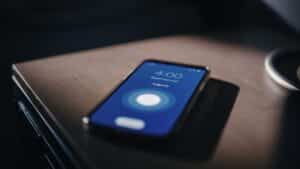
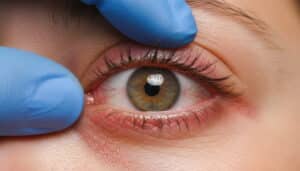
Both light and dark modes contribute to eye strain after tablet use, but dark mode may slightly reduce dry eye symptoms and preserve visual function better than light mode, according to a study.

The study included 30 female participants who used tablets in both light and dark modes, with eye-related symptoms measured before and after each session.

Although no significant difference in overall visual fatigue was found between the display modes, dark mode showed advantages in reducing dry eye symptoms and changes in critical flicker frequency. Regardless of mode, all participants experienced increased visual fatigue, dry eye symptoms, and reduced flicker sensitivity after tablet use.

Researchers concluded that although both display settings influence eye health, dark mode may offer slight protective benefits. They recommend further studies to evaluate long-term effects and refine screen settings for better visual well-being.

Reference
Sengsoon P, Intaruk R. Immediate Effects of Light Mode and Dark Mode Features on Visual Fatigue in Tablet Users. Int J Environ Res Public Health. 2025;22(4):609. doi: 10.3390/ijerph22040609. PMID: 40283833; PMCID: PMC12027292.

Share

Related Content

  • Ocular Surface Disease

Smartphone reminders improve short-term artificial tear adherence in dry eye disease

  • Ocular Surface Disease

Childhood-onset allergic eye disease linked to greater ocular morbidity

  • Ocular Surface Disease

Perceived stress may precede worsening dry eye symptoms in young adults

  • Ocular Surface Disease

Post-menopausal women show more severe evaporative dry eye disease

  • Ocular Surface Disease

Dry eye diagnostic practices remain inconsistent worldwide, survey finds

  • Ocular Surface Disease

Spotlight on VEVYE®

Share

Advisory Board

Kaleb Abbott, OD, MS, FAAO

Clark Chang, OD

Jessica Haynes, OD, FAAO, FORS, Dipl ABO

Monica Kalia, OD

Cecelia Koetting, OD, FAAO, DipABO

Roya Attar, OD, MBA, DHA, FAAO

Hardeep Kataria, OD, FAAO

Marc R. Bloomenstein, OD, FAAO

Elise Kramer, OD

See All
Optometry 360

Optometry 360® is a dynamic digital platform dedicated to advancing the field of eye care.

Get to Know Us

  • Home
  • About Us
  • Media Partners
  • Advertising Policy
  • Our Advisory Board

Sign up for our Newsletter

Sign up for our Newsletter to get our newest articles instantly!

  • Privacy Policy
  • Advertising Policy
  • Medical Disclaimer
IHM Logo

© 2026 Optometry 360 is a trademark of International Healthcare Media, LLC. All rights Reserved

  • MedJournal360 Icon
  • RareDisease360 Icon
  • MyHero360 Icon
  • Optometry360 Icon
  • Ophthalmology360 Icon