Optometry 360
  • Home
  • Conferences
  • Videos
  • About Us
    • About Us – Mission
    • Media Partners
    • Advisory Board
    • Industry Council
    • Business Team

What are you looking for?

  • Conference Roundup
  • Contact Lenses
  • Diagnostics
  • Glaucoma
  • Myopia
  • Neurotrophic Keratitis
  • Ocular Surface Disease
  • Pediatrics
  • Practice Management
  • Presbyopia
  • Retina
  • Spotlight Series
The evolving role of the optometrist in nonsurgical cataract management
Optometry 360
  • Home
  • Conferences
  • Videos
  • About Us
    • About Us – Mission
    • Media Partners
    • Advisory Board
    • Industry Council
    • Business Team
Home > Post-marketing study highlights benefits of novel dry eye treatment
  • Ocular Surface Disease

Post-marketing study highlights benefits of novel dry eye treatment

Kelsey Moroz

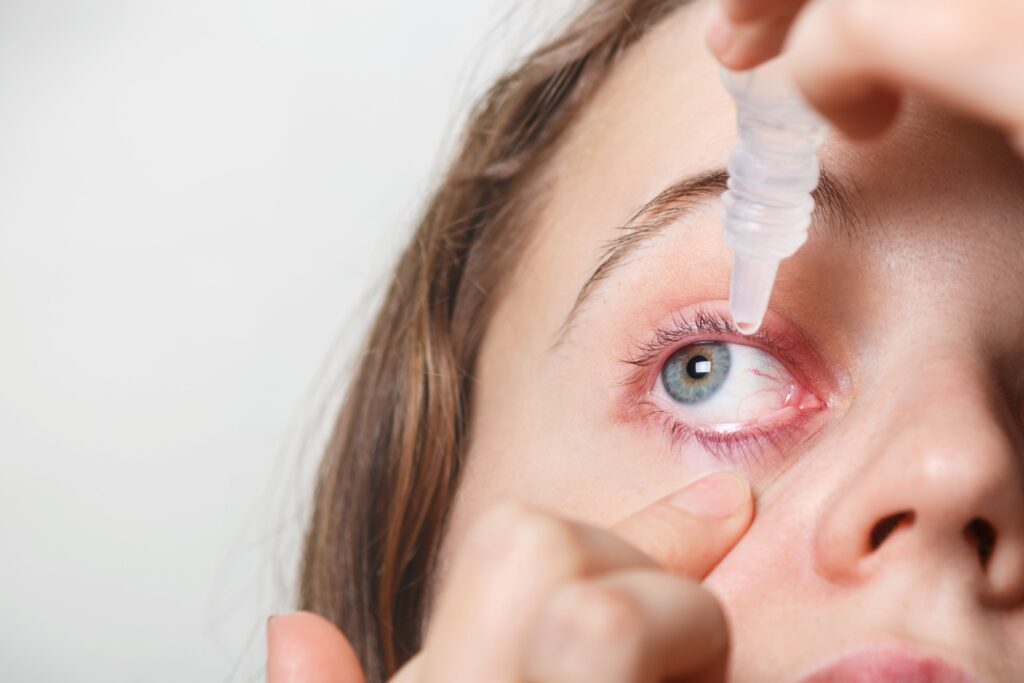
A new artificial tear formulation containing arabinogalactan, hyaluronic acid, and trehalose demonstrated high efficacy, tolerability, and patient-reported satisfaction in improving symptoms of dry eye disease (DED) in a real-world, post-marketing study.

The retrospective study, conducted from April 2022 to June 2023, included 96 adults diagnosed with DED due to various conditions. Patients used the eye drops at different dosing schedules and were evaluated at baseline and after 2 to 3 months using a patient-reported questionnaire.

There was a 98% positive response rate, with significant improvements in comfort (39%), itching (16%), redness (13%), tearing (14%), vision (13%), and photophobia (4%). In addition, 61% of participants reported feeling relief for 1 to 2 hours after using the drops.

This study underscores the potential benefits of the new artificial tear as a safe and effective option for managing DED symptoms in a real-world setting.

Reference
Bedei A, Rocha Cabrera P, Oliveira L, et al. Real-World Treatment Outcomes of an Artificial Tear Containing Arabinogalactan, Hyaluronic Acid and Trehalose Among Subjects with Dry Eye. Clin Ophthalmol. 2025;19:83-91. doi: 10.2147/OPTH.S480668. PMID: 39801568; PMCID: PMC11724676.

Share

Related Content

  • Ocular Surface Disease

Smartphone reminders improve short-term artificial tear adherence in dry eye disease

  • Ocular Surface Disease

Childhood-onset allergic eye disease linked to greater ocular morbidity

  • Ocular Surface Disease

Perceived stress may precede worsening dry eye symptoms in young adults

  • Ocular Surface Disease

Post-menopausal women show more severe evaporative dry eye disease

  • Ocular Surface Disease

Dry eye diagnostic practices remain inconsistent worldwide, survey finds

  • Ocular Surface Disease

Spotlight on VEVYE®

Share

Advisory Board

Kaleb Abbott, OD, MS, FAAO

Clark Chang, OD

Jessica Haynes, OD, FAAO, FORS, Dipl ABO

Monica Kalia, OD

Cecelia Koetting, OD, FAAO, DipABO

Roya Attar, OD, MBA, DHA, FAAO

Hardeep Kataria, OD, FAAO

Marc R. Bloomenstein, OD, FAAO

Elise Kramer, OD

See All
Optometry 360

Optometry 360® is a dynamic digital platform dedicated to advancing the field of eye care.

Get to Know Us

  • Home
  • About Us
  • Media Partners
  • Advertising Policy
  • Our Advisory Board

Sign up for our Newsletter

Sign up for our Newsletter to get our newest articles instantly!

  • Privacy Policy
  • Advertising Policy
  • Medical Disclaimer
IHM Logo

© 2026 Optometry 360 is a trademark of International Healthcare Media, LLC. All rights Reserved

  • MedJournal360 Icon
  • RareDisease360 Icon
  • MyHero360 Icon
  • Optometry360 Icon
  • Ophthalmology360 Icon