Optometry 360
  • Home
  • Conferences
  • Videos
  • About Us
    • About Us – Mission
    • Media Partners
    • Advisory Board
    • Industry Council
    • Business Team

What are you looking for?

  • Conference Roundup
  • Contact Lenses
  • Diagnostics
  • Glaucoma
  • Myopia
  • Neurotrophic Keratitis
  • Ocular Surface Disease
  • Pediatrics
  • Practice Management
  • Presbyopia
  • Retina
  • Spotlight Series
Navigating Presbyopia Conversations with Patients in Practice
Optometry 360
  • Home
  • Conferences
  • Videos
  • About Us
    • About Us – Mission
    • Media Partners
    • Advisory Board
    • Industry Council
    • Business Team
Home > DIMS lenses offer long-term benefits in reducing myopia-related vision risks
  • Myopia

DIMS lenses offer long-term benefits in reducing myopia-related vision risks

Kelsey Moroz

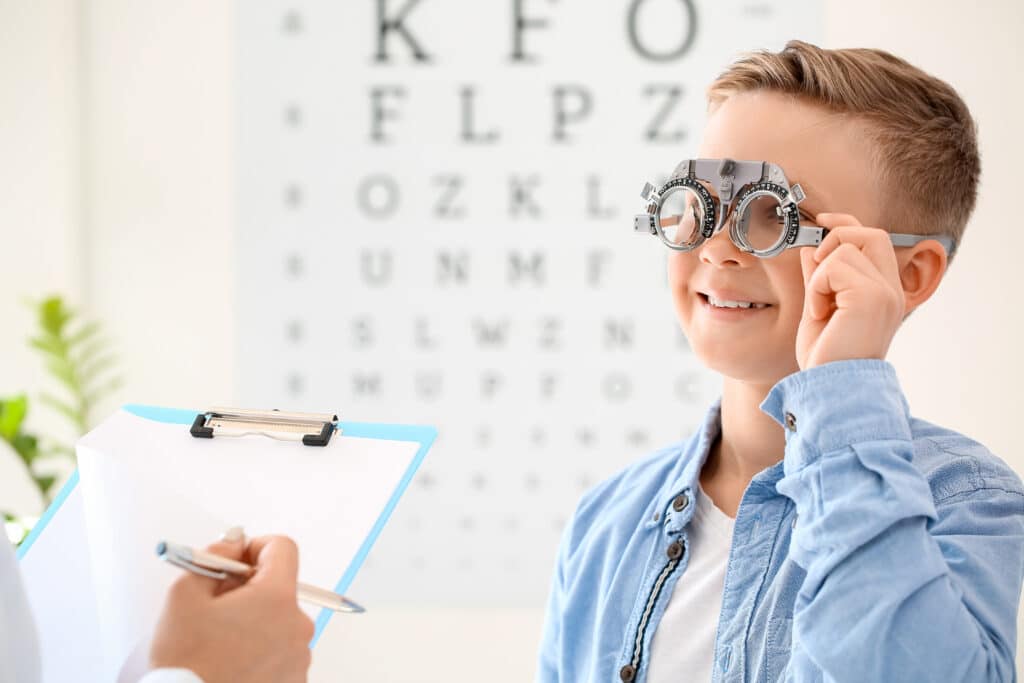
Using Defocus Incorporated Multiple Segments (DIMS) lenses to control myopia progression in children is a cost-effective strategy, significantly reducing the risk of severe vision problems in adulthood, according to a study.

Myopia, projected to affect half of the global population by 2050, increases the risk of sight-threatening complications in adulthood. The study utilized a state-transition model to simulate the long-term outcomes of myopia control compared to no intervention, focusing on both myopia progression in childhood and its impact on adult vision health.

Implementing myopia control reduced the prevalence of high myopia by 44.7% and severe visual impairment by 19.2%. The lifetime cost per quality-adjusted life year gained was $26,407, falling below the World Health Organization’s cost-effectiveness threshold of one times per capita gross domestic product ($48,359 USD). Sensitivity analysis indicated an 87% likelihood of myopia control being cost-effective.

Reference
So C, Lian J, McGhee SM, et al. Lifetime cost-effectiveness of myopia control intervention for the children population. J Glob Health. 2024;14:04183. doi: 10.7189/jogh.14.04183. PMID: 39302055; PMCID: PMC11414424.

Share

Related Content

  • Myopia

Which myopia control treatments are most effective in children? New analysis offers insight

  • Myopia

Low-dose atropine may reduce visual discomfort in adolescents with myopia

  • Pediatrics

Computer vision syndrome similar among students using digital and printed textbooks

  • Myopia

Demographic and clinical factors linked to low-dose atropine treatment in children

  • Myopia

Theialife plans Phase 3 trials of oral ND10 for progressive pediatric myopia

  • Myopia

High-dose atropine plus dual-focus lenses show minimal myopia progression

Share

Advisory Board

Kaleb Abbott, OD, MS, FAAO

Clark Chang, OD

Jessica Haynes, OD, FAAO, FORS, Dipl ABO

Monica Kalia, OD

Cecelia Koetting, OD, FAAO, DipABO

Roya Attar, OD, MBA, DHA, FAAO

Hardeep Kataria, OD, FAAO

Marc R. Bloomenstein, OD, FAAO

Elise Kramer, OD

See All
Optometry 360

Optometry 360® is a dynamic digital platform dedicated to advancing the field of eye care.

Get to Know Us

  • Home
  • About Us
  • Media Partners
  • Advertising Policy
  • Our Advisory Board

Sign up for our Newsletter

Sign up for our Newsletter to get our newest articles instantly!

  • Privacy Policy
  • Advertising Policy
  • Medical Disclaimer
IHM Logo

© 2026 Optometry 360 is a trademark of International Healthcare Media, LLC. All rights Reserved

  • MedJournal360 Icon
  • RareDisease360 Icon
  • MyHero360 Icon
  • Optometry360 Icon
  • Ophthalmology360 Icon