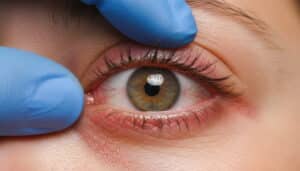
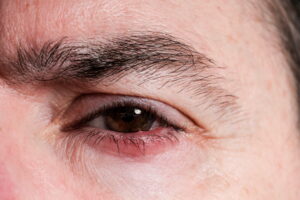
Letter to the editor highlights growing burden of pediatric ocular surface disease


Pediatric ocular surface disease (OSD) is increasingly common but remains underrecognized and inadequately studied, with few pediatric-specific treatments available, according to a letter to the editor published in a recent issue of The Ocular Surface.
According to the letter, recent data suggest pediatric dry eye disease affects 23.7% of children, with rates up to 44.1% reported after COVID-19. Pediatric blepharokeratoconjunctivitis accounts for about 15% of referrals in one tertiary practice, and meibomian gland abnormalities, including severe atrophy, have been documented in children as young as 7–14 years. Contributing factors may include increased screen time, reduced outdoor activity, contact lens use, and rising cosmetic use.
Unlike adults, pediatric OSD may impair visual development, with inflammation and corneal changes potentially leading to permanent visual deficits or amblyopia, the authors noted.
Despite this burden, common conditions such as dry eye disease, meibomian gland dysfunction, and allergic conjunctivitis lack FDA-approved therapies for children, and diagnostic tools are not well validated. The authors call for pediatric-focused trials and improved diagnostic strategies.
“While adult ocular surface disease has seen an explosion of therapeutic innovation, pediatric patients remain largely overlooked,” Dr. Abbott told Optometry 360 in an interview. “This gap is driven in part by the longstanding misconception that these conditions don’t meaningfully exist in children—when in reality, there is a clear and growing unmet need. For industry partners, this is a meaningful opportunity to develop much-needed therapies for these patients.”
Reference
Abbott K, Gorham J, Edwards Mayhew RG. Small patients, big gaps: the therapeutic void in pediatric ocular surface disease. Ocul Surf. 2026;43-44.
Related Content