Key Takeaways
- Low-dose atropine (0.01%) was not associated with increased visual discomfort, with inverse probability weighting analysis showing significantly lower discomfort scores among atropine users.
- The reduction in visual discomfort was greater at higher correlated color temperatures, while no significant differences were found in glare threshold, pattern-glare scores, pupil diameters, or reading speed.
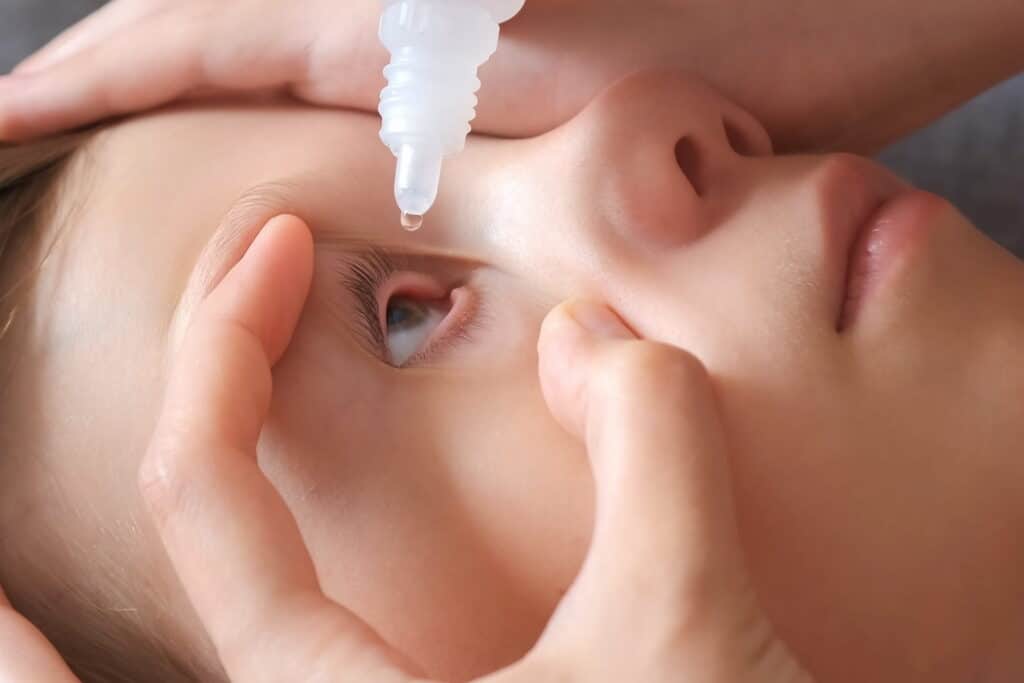
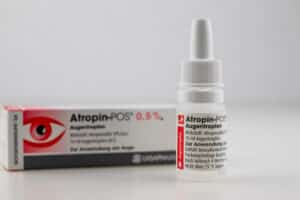
Low-dose atropine (0.01%) was not associated with increased visual discomfort in adolescents with myopia and may provide a modest protective effect under certain lighting conditions, according to a study.
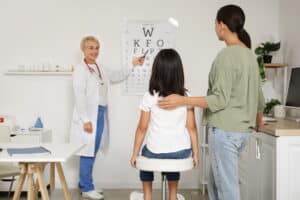
The study included 120 adolescents aged 12 to 18 years with myopia ranging from −3.00 to −6.00 diopters.
Researchers compared 69 patients using low-dose atropine with 51 non-atropine controls. Visual discomfort under standardized lighting conditions using the Visual Discomfort Scale (VDS-10) was assessed.
Unadjusted results showed lower mean visual discomfort scores among atropine users compared with controls (3.56 vs 4.67). However, adjusted ordinary least squares analysis found no significant association between atropine use and visual discomfort (P = 0.598). In contrast, inverse probability of treatment weighting analysis showed a significant reduction in discomfort among atropine users (P < 0.001).
An interaction analysis found that the reduction in discomfort was greater at higher correlated color temperatures among atropine users. No significant group differences were observed in glare threshold, pattern-glare scores, pupil diameters, or reading speed.
Reference
Charan LS, Mahaur V, Tripathi H. Low-dose atropine (0.01%) and visual discomfort: A clinic-based cohort linking pupil metrics, lighting context, and symptomatology in myopia control. Vision Res. 2026;251:108927. doi: 10.1016/j.visres.2026.108927. Epub ahead of print. PMID: 43038592.
Related Content