Patient satisfaction with presbyopia-correcting IOLs depends on careful selection and expectation management

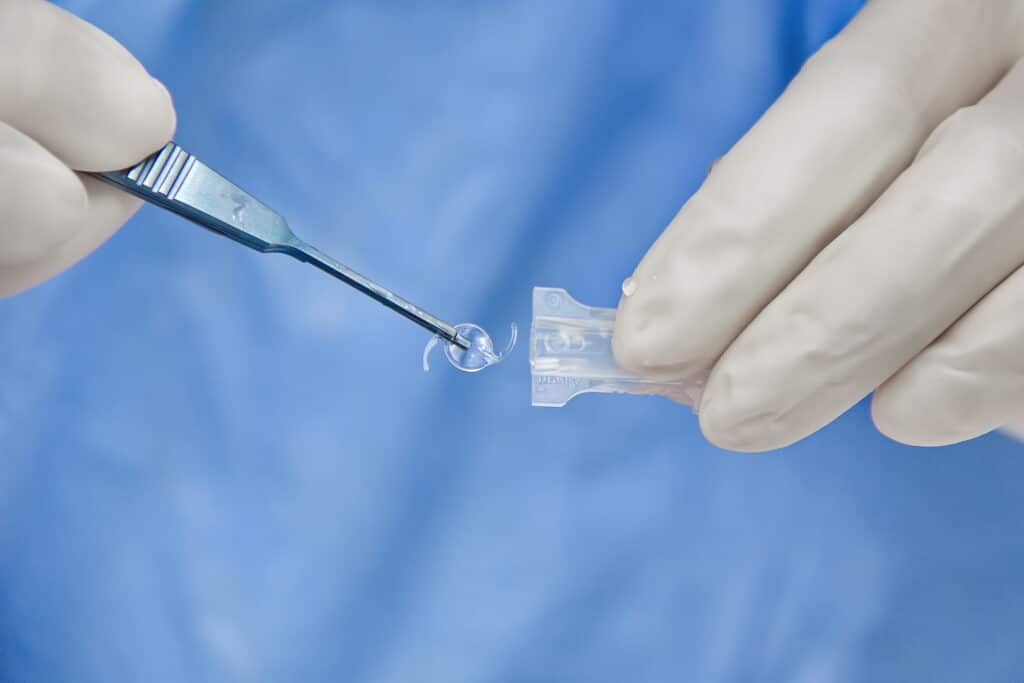
Although presbyopia-correcting intraocular lenses (IOLs) provide vision at multiple distances, patient satisfaction varies and depends on a combination of optical side effects, ocular and surgical factors, and patient-related expectations, highlighting the importance of careful patient selection, personalized lens choice, and thorough preoperative counseling, according to a review.
The analysis identifies multiple contributors to dissatisfaction. Optical effects such as glare, halos, and decreased contrast sensitivity are cited, along with ocular comorbidities including dry eye disease, corneal irregular astigmatism, glaucoma, and macular disease. Surgical factors, such as IOL centration, pupil size, and the accuracy of preoperative biometry, are also discussed. In addition, non-physiological influences, including patient expectations, lifestyle needs, and psychological factors, are described as important determinants of perceived outcomes.
To address these issues, the review highlights evidence-based approaches aimed at improving satisfaction, including thorough preoperative evaluation of the ocular surface and optical aberrations, individualized IOL selection based on anatomical and functional considerations, and comprehensive patient counseling to set realistic expectations. The review also discusses emerging IOL designs that combine multifocal and extended depth-of-focus characteristics as potential options to reduce visual disturbances while maintaining a broad range of vision.
Reference
Park CY. Factors Affecting Postoperative Satisfaction After Presbyopia-Correcting Intraocular Lens. J Clin Med. 2026;15(1):336. doi: 10.3390/jcm15010336. PMID: 41517585; PMCID: PMC12786824.
Related Content